

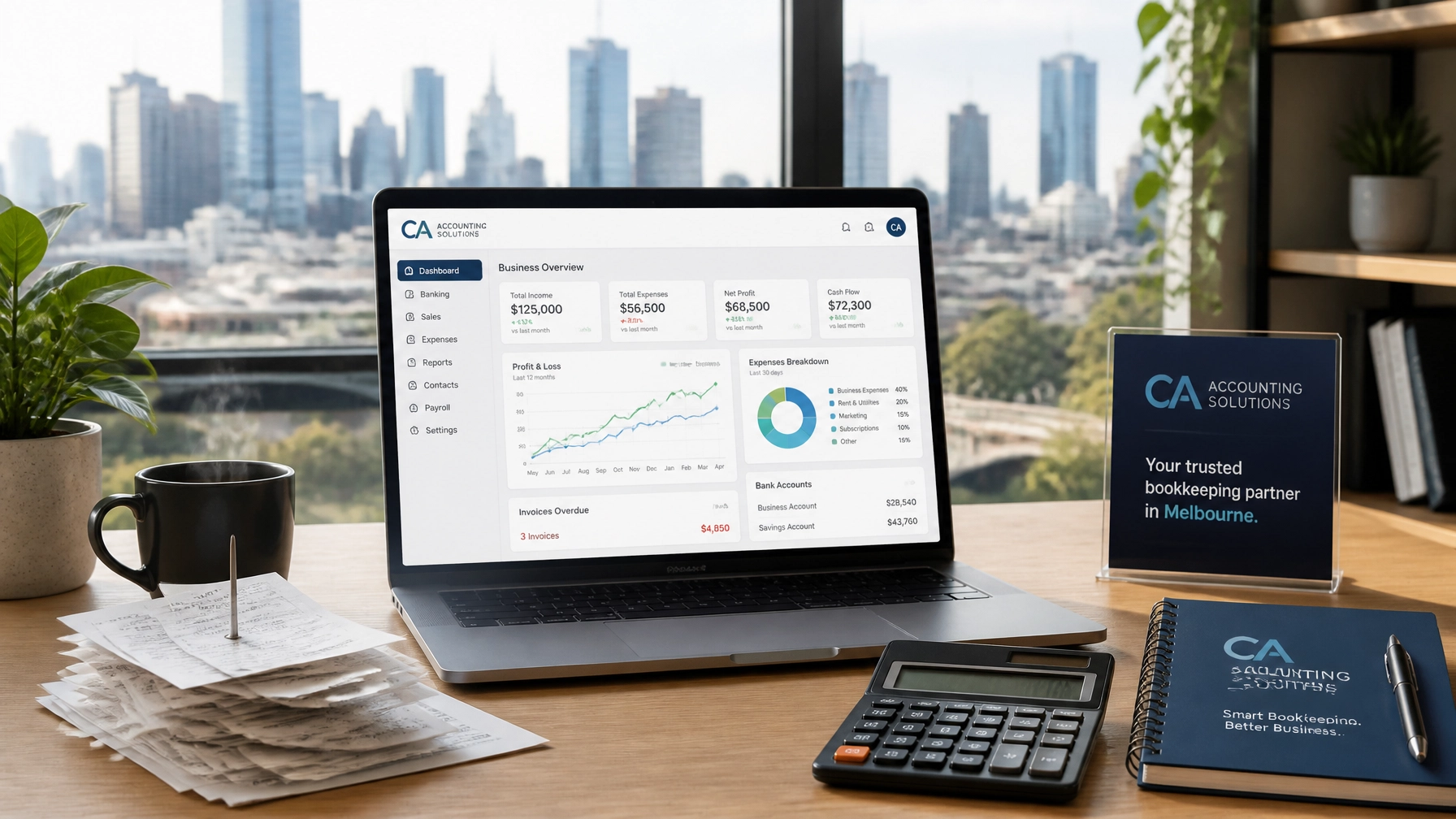
Running a small business in Melbourne is a unique journey. From the bustling laneways of the CBD to the creative hubs of Fitzroy and the professional suites of South Yarra, our city thrives on entrepreneurial spirit. But as any Melbourne business owner knows, the passion for your craft can quickly be overshadowed by the mountain of receipts on your desk and the looming pressure of compliance.
Bookkeeping is the backbone of your business success. It is more than just recording numbers; it is about visibility, control, and peace of mind. Without accurate records, you are essentially flying blind.
In this guide, we will break down everything you need to know about bookkeeping services for small business, the critical nature of BAS lodgement services Australia, and how to ensure your small business accounting in Australia is set up for long-term growth.
What Exactly Is Bookkeeping?
At its core, bookkeeping is the daily process of recording every financial transaction your business makes. This includes:
- Recording sales and issuing invoices.
- Tracking expenses and paying bills.
- Managing payroll and superannuation.
- Reconciling bank statements.
- Preparing the data for your BAS lodgement services Australia.
Think of your bookkeeper as the navigator of your ship. While you focus on the engine (your products or services), they ensure you aren't heading toward any financial icebergs.

Why Local Melbourne Expertise Matters
While cloud technology allows anyone to manage books from anywhere, having a local partner for bookkeeping services Melbourne offers distinct advantages.
Melbourne has a specific economic rhythm. Whether it’s understanding the seasonal fluctuations of the local hospitality scene or navigating the specific payroll requirements for Victorian employees, local context matters. At CA Accounting Solutions, we pride ourselves on providing jargon-free advice that actually makes sense for your local operations.
The Common Bookkeeping Pitfalls You Must Avoid
Many small business owners try to "DIY" their books to save costs. While this is possible with software like Xero or MYOB, it often leads to critical errors that cost more in the long run.
1. Mixing Personal and Business Accounts
This is the most common mistake. When you use your business card for a personal grocery shop, or pay a business bill from your personal account, you create a "tangled web." This makes it incredibly difficult for your accountant to decipher your true profit and increases your risk during an ATO audit.
Pro Tip: Open a dedicated business account and never mix the two.
2. Missing the "Shoebox" Deadline
Waiting until the end of the quarter to enter your receipts is a recipe for stress. You will inevitably lose invoices, forget what specific purchases were for, and miss out on valuable tax deductions.
Warning: The ATO requires you to keep records for at least five years. Digital storage is your best friend here.
3. Incorrect GST Coding
Not everything has GST. Coding a GST-free item (like some fresh foods or medical services) as a taxable purchase will result in an incorrect BAS. This can lead to penalties and interest if the ATO identifies a pattern of over-claiming.
Master Your BAS Lodgement: A Step-by-Step Workflow
If you are registered for GST (which is mandatory if your turnover is over $75,000 per year), you must lodge a Business Activity Statement (BAS).
The deadlines are critical. Missing a BAS deadline can result in "Failure to Lodge" penalties from the ATO, which currently start at hundreds of dollars and escalate quickly.
Follow this simple workflow each period:
- Reconcile Everything: Ensure every transaction in your bank account matches an entry in your software.
- Verify Tax Invoices: For any purchase over $82.50 (including GST), you MUST have a valid tax invoice to claim the GST credit.
- Check Your Payroll: Ensure your PAYG withholding (tax you’ve kept from employee wages) and superannuation are accurately recorded.
- Review the GST Summary: Run a report to see how much GST you’ve collected vs. how much you’ve paid.
- Lodge with an Expert: Using professional BAS lodgement services Australia ensures your figures are checked by a registered agent, giving you an extra layer of protection.

How to Choose the Right Bookkeeping Service in Melbourne
When searching for bookkeeping services Melbourne, don’t just look at the price. Look for a partner who offers:
- Transparency: You should always know exactly what you are paying for.
- Jargon-Free Communication: If your bookkeeper speaks in "accounting-ese," they aren't helping you understand your business.
- Comprehensive Support: Can they also handle your tax advisory and personal tax?
- Tech-Savvy Approach: Ensure they are experts in modern tools like Xero or MYOB to automate your bank feeds and save time.
At CA Accounting Solutions, we focus on providing practical, reliable support that allows you to operate stress-free. We don't just "do the books"; we help you understand what the numbers are telling you about your business's health.

Is It Time to Outsource?
Ask yourself these three questions:
- Do I spend more than 5 hours a month on bookkeeping?
- Am I confident that every one of my GST claims is 100% accurate?
- Do I feel anxious when I see a letter from the ATO?
If the answer to any of these is "Yes," it’s time to look for professional help. Outsourcing your bookkeeping is not an expense: it’s an investment in your time and compliance security.
Let’s Simplify Your Finances
You didn't start your business to become a part-time bookkeeper. You started it to pursue a passion, serve your customers, and build a legacy in Melbourne.
Let us handle the heavy lifting of your small business accounting in Australia. From daily bookkeeping to strategic tax advisory, we provide the comprehensive support you need to scale with confidence.

Ready to reclaim your weekends and get your books in order?
Contact the team at CA Accounting Solutions today for a friendly, no-obligation chat about your business needs. Let’s make your financial management stress-free.

Pingback: ATO Cracks Down on Over-Claimed Expenses: 5 Mistakes to Avoid - CA Accounting Solutions